Ecotourism has evolved far beyond a niche travel trend. Today, it represents a conscious choice made by travelers who want to explore the planet without harming it, supporting local communities while preserving fragile ecosystems. While famous eco-destinations often dominate headlines, a new wave of lesser-known routes is quietly redefining sustainable travel. These places offer authenticity, biodiversity, and cultural depth without the pressures of mass tourism.
This article explores seven underrated ecotourism routes that are gaining global recognition. Each destination combines environmental responsibility with unforgettable travel experiences, proving that sustainable tourism can be both impactful and inspiring.
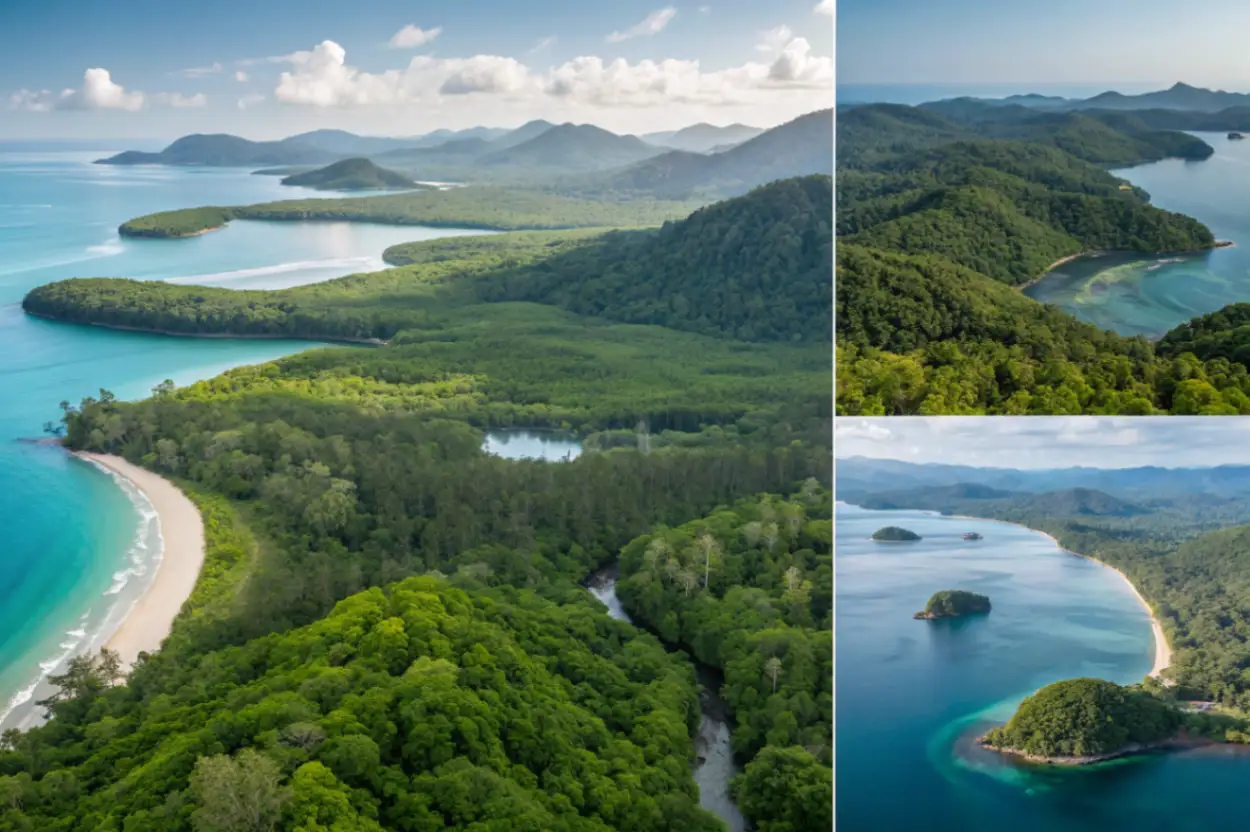
The Forgotten Fjords of East Iceland
East Iceland remains one of Europe’s most untouched regions, overshadowed by the country’s popular southern routes and the Golden Circle. Yet its remote fjords, dramatic cliffs, and quiet fishing villages form one of the most authentic ecotourism experiences on the continent. Travelers here encounter raw nature shaped by glaciers, volcanic activity, and the North Atlantic winds, all without the crowds that strain more famous destinations.
Sustainable travel initiatives are deeply rooted in East Iceland. Small guesthouses rely on geothermal heating, local food sourcing, and minimal waste practices. Hiking trails are carefully maintained to prevent erosion, and wildlife observation, particularly of seabirds and reindeer, is strictly regulated. Instead of large tour buses, visitors explore by foot, kayak, or electric vehicles, which significantly reduces environmental impact.
The human element is equally important. Local communities actively participate in tourism, offering handmade crafts, storytelling evenings, and traditional meals prepared from locally sourced ingredients. These interactions create economic stability without overdevelopment. East Iceland demonstrates how slow travel, combined with ecological awareness, can protect both landscapes and cultural heritage.
Albania’s Accursed Mountains Trail
Hidden in the northern reaches of Albania, the Accursed Mountains, also known as the Albanian Alps, have emerged as one of Europe’s most promising eco-friendly trekking regions. Long isolated due to geography and history, this area now attracts travelers seeking pristine landscapes and meaningful cultural exchanges. The trails wind through deep valleys, alpine meadows, and remote villages where traditions have remained unchanged for generations.
Before exploring what makes this route unique, it is important to understand how ecotourism operates here. The region relies heavily on community-based tourism models that prioritize sustainability over volume.
The table below highlights key aspects of the Accursed Mountains Trail and how they contribute to responsible travel.
| Aspect | Ecotourism Approach | Positive Impact |
|---|---|---|
| Accommodation | Family-run guesthouses | Direct income for locals |
| Transportation | Hiking and shared transfers | Reduced carbon footprint |
| Food | Locally grown produce | Supports regional agriculture |
| Trail management | Community-maintained paths | Prevents environmental damage |
| Cultural exchange | Home stays and guided walks | Preserves traditions |
These practices ensure that tourism remains a tool for preservation rather than exploitation. After completing multi-day treks, travelers often speak of the deep connections formed with local hosts, who share meals, stories, and insights into mountain life. The Accursed Mountains are a powerful reminder that sustainable tourism thrives when communities are at its core.
The Wild Coffee Route of Southern Colombia
Southern Colombia’s coffee regions are rarely associated with mass tourism, yet they offer one of the most immersive ecotourism experiences in South America. Far from commercial plantations, this route focuses on small-scale, organic coffee farms nestled in cloud forests rich in biodiversity. Travelers follow winding paths through lush hills while learning how sustainable agriculture protects both ecosystems and livelihoods.
Before diving deeper into the experience, it helps to understand what travelers typically encounter along this route. The following list outlines the core elements that define the Wild Coffee Route and make it a model for eco-conscious travel.
- Guided walks through organic coffee farms using shade-grown techniques.
- Hands-on participation in coffee harvesting and roasting.
- Wildlife observation in protected cloud forest reserves.
- Homestays with farming families practicing sustainable living.
- Educational workshops on soil regeneration and water conservation.
Each of these elements contributes to a deeper appreciation of how agriculture and conservation can coexist. After engaging in these activities, visitors gain a new perspective on the global coffee industry and its environmental impact. The route also plays a crucial role in post-conflict economic recovery, offering farmers an alternative income stream rooted in environmental stewardship rather than exploitation.
The Remote Islands of the Azores Blue Corridor
Located in the middle of the Atlantic Ocean, the Azores archipelago has long been a destination for nature lovers. However, the Blue Corridor connecting the lesser-visited islands represents a new frontier in marine ecotourism. This route emphasizes ocean conservation, sustainable fishing practices, and responsible whale and dolphin watching.
The Azores are pioneers in marine protection, with large portions of surrounding waters designated as protected areas. Local operators adhere to strict guidelines that limit boat numbers, maintain safe distances from marine life, and educate visitors about ocean ecosystems. Kayaking, sailing, and low-impact diving replace high-emission cruise tourism.
Beyond marine life, the islands offer volcanic landscapes, geothermal pools, and traditional farming communities. Sustainability is visible everywhere, from renewable energy projects to waste reduction programs. The Blue Corridor showcases how island ecosystems can balance tourism with conservation while serving as global models for marine protection.
Namibia’s Desert Elephant Pathways
Namibia’s desert elephants are among the rarest wildlife populations on Earth, adapted to survive in some of the harshest environments imaginable. The eco-routes that trace their migration pathways provide travelers with a chance to observe these animals responsibly while contributing to their long-term survival.
Unlike traditional safaris, these routes focus on conservation-led tourism. Small groups travel with trained local guides who track elephants using non-invasive methods. Lodges operate off-grid using solar power and water recycling systems, minimizing their environmental footprint. Revenue from tourism directly funds conservation initiatives and compensates communities for coexistence with wildlife.
The experience extends beyond observation. Travelers learn about desert ecology, human-wildlife conflict, and the innovative strategies used to protect endangered species. Namibia’s approach proves that ecotourism can play a critical role in wildlife preservation without sacrificing authenticity or ethical responsibility.
The Ancient Forest Paths of Yakushima, Japan
Yakushima Island, located south of Japan’s main islands, is home to some of the oldest forests on the planet. Its ancient cedar trees, known as yakusugi, have stood for thousands of years, creating a mystical landscape that attracts hikers and nature enthusiasts seeking serenity rather than spectacle.
Strict regulations govern tourism on the island. Visitor numbers are monitored, trails are reinforced with natural materials, and educational signage promotes Leave No Trace principles. Guided walks emphasize mindfulness and respect for nature, blending ecological awareness with traditional Japanese philosophies.
Local communities benefit from tourism through small-scale businesses, eco-lodges, and craft production. Yakushima exemplifies how cultural values can align seamlessly with environmental protection, offering a deeply reflective form of sustainable travel.
The Patagonian Steppe Conservation Route
While Patagonia is often associated with dramatic glaciers and towering peaks, its vast steppe regions remain largely overlooked. This eco-route crosses open plains where guanacos roam freely and winds shape the land. Conservation-focused ranches, known as estancias, are transforming traditional livestock practices into regenerative land management models.
Travelers stay in eco-friendly lodges that restore native grasslands and protect wildlife corridors. Activities include guided hikes, birdwatching, and educational sessions on climate resilience. The absence of mass tourism allows ecosystems to recover while providing meaningful economic opportunities for rural communities.
The Patagonian Steppe Conservation Route highlights the importance of protecting lesser-known landscapes that play vital roles in biodiversity and carbon storage. It challenges the notion that only iconic scenery deserves preservation.
Conclusion: The Future of Sustainable Exploration
These seven routes illustrate a powerful shift in global travel. Ecotourism is no longer about visiting protected areas alone; it is about understanding systems, supporting communities, and traveling with intention. By choosing lesser-known destinations, travelers reduce pressure on overvisited sites while discovering richer, more authentic experiences.
As awareness grows, these routes will likely become benchmarks for responsible tourism worldwide. Their success depends on conscious travelers who value sustainability as much as adventure. In exploring these paths, we do more than see the world—we help protect it.