Exploring Asia at a gentle pace allows travelers to immerse themselves in the region’s rich cultural tapestry, historical depth, and natural beauty. Slow travel emphasizes meaningful experiences over rushing from site to site, encouraging visitors to truly connect with local communities, cuisine, and traditions. From the serene temples of Japan to the timeless landscapes of Laos, the continent offers countless opportunities to engage in mindful journeys that leave a lasting impression.
Japan: temples, tea, and traditional villages
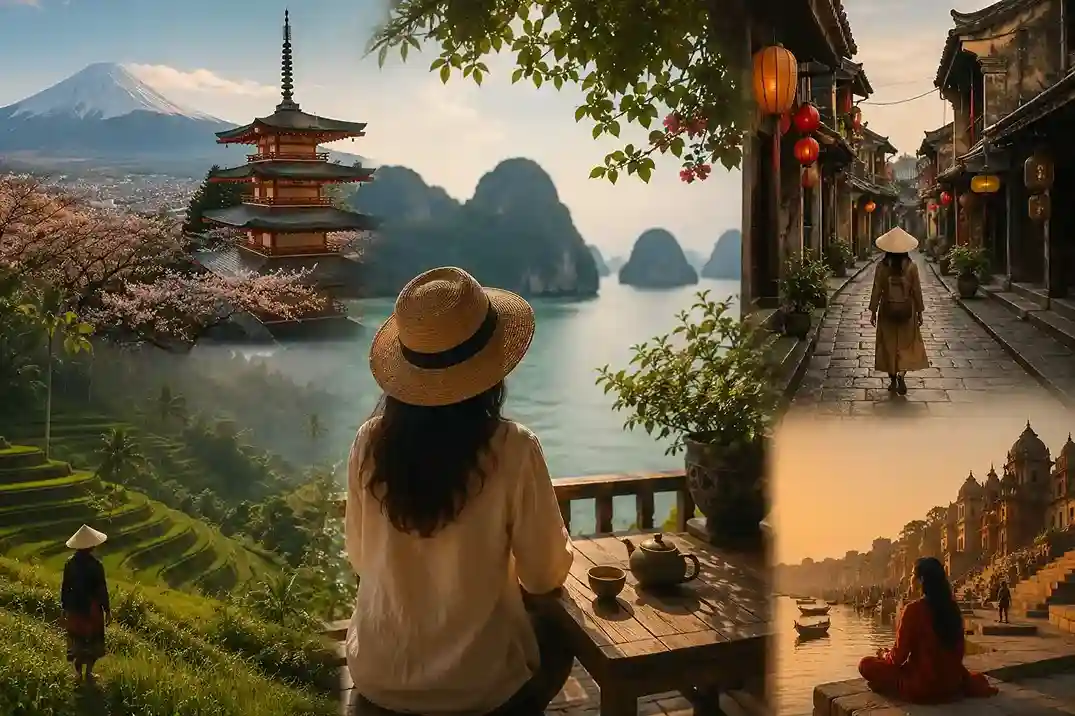
Japan exemplifies slow travel with its delicate balance of modern efficiency and traditional serenity. Visitors can begin in Kyoto, wandering among centuries-old temples such as Kinkaku-ji and Ryoan-ji, taking time to appreciate Zen gardens and seasonal beauty. Local ryokans (traditional inns) offer immersive experiences, complete with tatami rooms, kaiseki dinners, and soothing onsen baths. Beyond Kyoto, smaller towns like Kanazawa and Takayama provide a quieter exploration of Edo-period streets, artisan workshops, and local markets. Engaging in a tea ceremony or participating in a calligraphy class enriches the journey with cultural understanding.
The appeal of Japan for slow travelers lies in its rhythm. Instead of hopping from one tourist hotspot to another, visitors can spend hours in a single garden, linger at a small museum, or walk along peaceful forest trails surrounding Shinto shrines. Seasonal festivals, from cherry blossom celebrations to autumn foliage rituals, offer natural timing cues for exploration and encourage travelers to plan trips around these quiet yet profound cultural moments.
Vietnam: river life, markets, and countryside immersion
Vietnam presents a vivid palette for those seeking slow travel adventures. The Mekong Delta, with its winding canals and floating markets, invites travelers to take leisurely boat rides through rice paddies and small riverside villages. Homestays with local families provide authentic insight into Vietnamese life, from cooking traditional dishes to joining in seasonal harvests. Cities like Hoi An combine history and calm exploration; the lantern-lit streets and riverside cafes allow for gentle evenings absorbing local charm.
Northern Vietnam offers another layer of immersive experience. Trekking in Sapa through terraced rice fields and minority villages reveals the rhythms of rural life. Interactions with ethnic communities, learning weaving techniques, or observing local farming cycles provide meaningful engagement and a break from hurried tourism. Slow travel in Vietnam encourages taking public transportation or bicycles through smaller towns to feel the landscape and lifestyle at a human scale.
Thailand: islands, temples, and countryside retreats
Thailand offers diverse experiences for those interested in slow travel. While Bangkok bustles with energy, regions like Chiang Mai and Chiang Rai provide calmer settings for cultural immersion. Exploring temple complexes, visiting local markets, and joining meditation or cooking retreats enable travelers to engage with Thai traditions intimately. Northern Thailand’s mountain villages and eco-lodges offer tranquil escapes, where guests can connect with nature and participate in sustainable farming or elephant conservation initiatives.
Southern Thailand’s islands, like Koh Lanta and Koh Yao Noi, exemplify relaxed coastal exploration. Unlike the crowded beaches of Phuket or Koh Samui, these quieter destinations allow slow travelers to enjoy pristine landscapes, snorkeling in calm waters, and sunset walks along deserted beaches. Culinary experiences—sampling street food or participating in local cooking classes—enhance understanding of regional flavors and lifestyle. Engaging with local artisans or learning traditional crafts completes the immersive journey.
Laos: rivers, temples, and rural charm
Laos is a slow traveler’s paradise, defined by gentle rivers, colonial architecture, and serene Buddhist temples. Luang Prabang, a UNESCO World Heritage city, allows for calm exploration of golden temples, vibrant night markets, and riverside cafes. Visitors can join alms-giving ceremonies at dawn, experiencing spiritual rituals with quiet respect and reflection. Venturing into the countryside, villages along the Mekong offer opportunities for boat rides, trekking, and homestays that reveal the traditional way of life, from weaving and rice farming to local festivals.
The rhythm of Laos encourages unhurried journeys. Travelers can spend days cycling along riverbanks, relaxing in natural pools, or participating in community projects. The small scale of towns and villages promotes deep cultural engagement, and the gentle pace allows reflection and connection with local landscapes. Lao cuisine, often prepared in small family-run eateries, invites visitors to taste and learn about dishes in an intimate setting, further enriching the slow travel experience.
India: heritage trails and spiritual retreats
India’s vast diversity offers endless opportunities for slow travel, particularly for those seeking cultural and spiritual depth. The state of Rajasthan, with its desert landscapes, forts, and palaces, provides a route for immersive heritage exploration. Travelers can take extended stays in historic haveli guesthouses, participate in craft workshops, and attend local festivals like Diwali or Holi. In southern India, Kerala’s backwaters offer houseboat journeys through lush waterways, where travelers can experience village life, cooking traditions, and serene landscapes.
Beyond sightseeing, India’s ashrams and wellness retreats cater to travelers aiming for mindfulness and reflection. Yoga, meditation, and Ayurveda practices can be integrated into daily routines while exploring the countryside. Train journeys across smaller towns allow observation of daily life at a human pace, connecting with locals and absorbing cultural rhythms without haste. India demonstrates that slow travel can combine spiritual growth with cultural enrichment, providing deep, multifaceted experiences.
Practical guide: planning slow travel routes
Choosing the right destinations, accommodations, and activities is essential for meaningful slow travel. Planning should focus on fewer places with longer stays to allow cultural and personal immersion. Selecting local guides, homestays, and community-based tourism options supports authentic engagement and responsible travel. Travelers should also consider seasonal factors, local festivals, and regional climate to align visits with cultural and natural highlights.
To illustrate potential itineraries, the table below highlights sample slow travel routes across Asia, showing optimal durations, key cultural experiences, and suggested local activities.
Before the table, it’s useful to reflect on what makes a route suitable for slow travel: accessibility without stress, abundance of immersive cultural opportunities, and opportunities to connect with nature or local traditions. Each route combines these elements to maximize relaxation and meaningful engagement.
| Country | Route / Region | Suggested Duration | Key Experiences | Local Activities |
|---|---|---|---|---|
| Japan | Kyoto & Takayama | 7–10 days | Temples, Zen gardens, traditional inns | Tea ceremonies, calligraphy, onsen visits |
| Vietnam | Hoi An & Mekong Delta | 8–12 days | Ancient town, rivers, floating markets | Cooking classes, cycling, boat tours |
| Thailand | Chiang Mai & Koh Lanta | 10–14 days | Temples, mountain villages, tranquil islands | Meditation, local crafts, snorkeling |
| Laos | Luang Prabang & Mekong villages | 7–10 days | Colonial architecture, Buddhist rituals, rivers | Trekking, homestays, weaving workshops |
| India | Rajasthan & Kerala | 12–15 days | Forts, palaces, backwaters, ashrams | Heritage walks, yoga, houseboat tours |
Each route in this table is designed to balance cultural depth with relaxation. Travelers can spend ample time in each location, fully absorbing local customs, landscapes, and traditions without rushing, enhancing the overall quality of the journey.
Slow travel encourages a mindset shift from ticking off sights to appreciating experiences. Planning stays, interactions, and activities in harmony with local life allows journeys to become more than sightseeing—they become culturally and personally enriching adventures. Travelers who embrace this approach often discover hidden gems, form lasting connections, and return home with memories and insights far deeper than any rushed itinerary could provide.
The appeal of slow travel is its ability to turn ordinary journeys into meaningful experiences. By prioritizing cultural immersion, mindful pacing, and authentic interactions, travelers can explore Asia’s vast diversity while maintaining a relaxed rhythm. Whether walking through quiet temple gardens, sailing along gentle rivers, or participating in local festivals, the rewards of slow travel are patience, discovery, and genuine connection with the world.