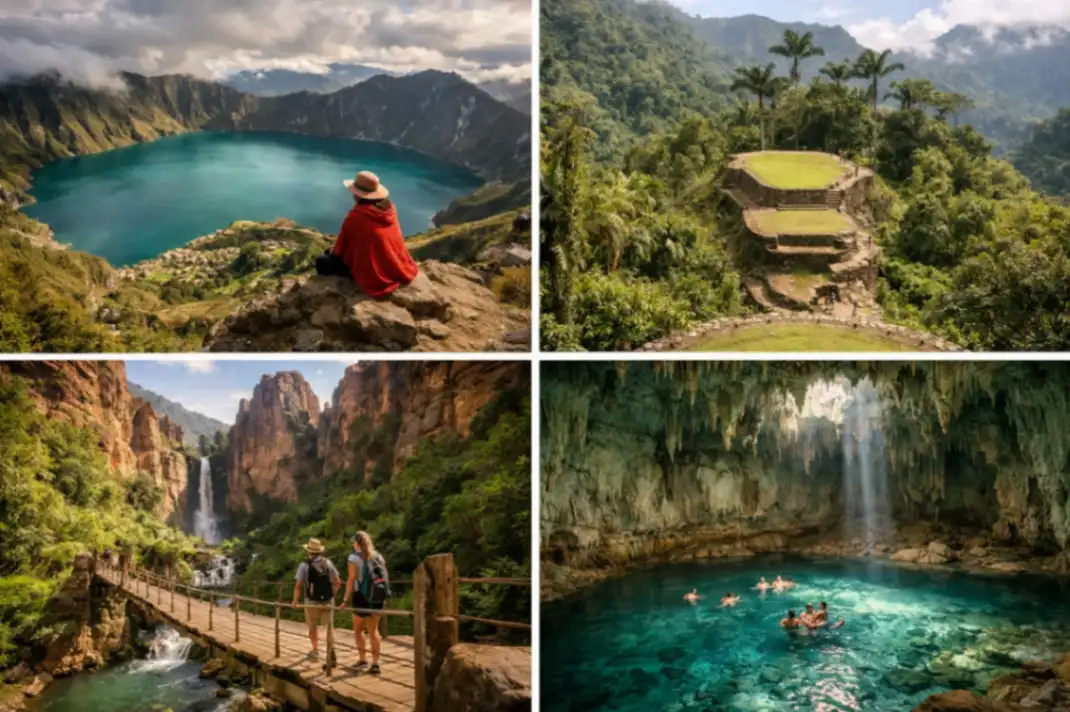
Latin America has always been associated with iconic destinations — Machu Picchu, Rio de Janeiro, Patagonia. Yet in 2026, the travel landscape is shifting. More travelers are turning away from crowded hotspots and exploring lesser-known regions that offer authenticity, affordability, and a deeper cultural connection. These hidden gems are no longer just secrets among backpackers; they are emerging routes reshaping tourism across the continent.
This guide explores the most exciting new travel paths across Latin America, combining nature, culture, and accessibility. Whether you are planning a long journey or looking for inspiration, these routes reveal a different side of the region.
Why Hidden Destinations in Latin America Are Trending in 2026
The growing interest in hidden destinations across Latin America is driven by a combination of factors. Travelers today are more informed and selective. They are searching for unique experiences that go beyond traditional sightseeing. Instead of following predictable itineraries, they are building journeys based on authenticity, sustainability, and local interaction.
Digital platforms have played a major role in this shift. Travel bloggers, social media creators, and niche communities highlight places that were previously overlooked. As a result, regions like northern Argentina, inland Colombia, and southern Mexico are gaining attention.
Another key factor is overtourism. Popular destinations have become crowded and expensive, pushing travelers to look elsewhere. Countries in Latin America are responding by promoting secondary cities and rural areas. Governments and tourism boards are investing in infrastructure, making these places more accessible without losing their charm.
There is also a growing awareness of sustainable tourism. Visitors want to support local economies, preserve nature, and avoid the negative impact of mass tourism. Hidden routes often provide exactly that — smaller communities, eco-lodges, and cultural immersion.
At the same time, airlines are expanding regional routes. New connections between smaller cities reduce travel time and open opportunities for multi-country itineraries. This makes it easier than ever to explore destinations that were once considered remote.
Emerging Travel Routes Across Latin America in 2026
As travel patterns evolve, several new routes are gaining popularity. These itineraries connect lesser-known destinations while offering diverse experiences. Travelers can move seamlessly between landscapes, cultures, and climates without relying on traditional tourist hubs.
Below is an overview of some of the most promising routes that are attracting attention in 2026.
| Route Name | Countries | Key Destinations | Travel Style | Best Time to Visit |
|---|---|---|---|---|
| Andean Cultural Loop | Peru, Bolivia | Arequipa, Lake Titicaca, Sucre | Cultural & scenic | May–October |
| Caribbean Hidden Coast | Colombia, Panama | Capurganá, San Blas Islands | Beach & eco-tourism | December–April |
| Southern Cone Wine Trail | Argentina, Chile | Mendoza, Colchagua Valley | Gastronomy & wine | March–May |
| Amazon Gateway Route | Brazil, Peru | Iquitos, Manaus | Nature & adventure | June–November |
| Central American Highlands | Guatemala, Honduras | Copán, Quetzaltenango | History & hiking | November–April |
These routes reflect a shift toward multi-destination travel. Instead of focusing on a single city or attraction, travelers are exploring entire regions. The Andean Cultural Loop, for example, combines colonial architecture, indigenous traditions, and breathtaking landscapes. It offers a more balanced experience than visiting only Cusco or La Paz.
The Caribbean Hidden Coast route is another example of how tourism is evolving. Instead of crowded resorts, visitors are choosing remote beaches and indigenous territories. The San Blas Islands in Panama provide a unique opportunity to experience local culture while enjoying pristine nature.
Wine tourism is also expanding beyond well-known regions. The Southern Cone Wine Trail connects Argentina and Chile, allowing travelers to explore vineyards, small towns, and mountain scenery. This route appeals to those who want a slower, more immersive journey.
Overall, these emerging routes demonstrate how Latin America is redefining travel. They combine accessibility with authenticity, offering experiences that feel both new and meaningful.
Top Hidden Gems Travelers Are Adding to Their Itineraries
As these routes gain popularity, certain destinations are becoming standout choices for travelers seeking something different. These places are not yet overwhelmed by tourism, but they offer rich experiences that rival more famous locations.
Many travelers are building their itineraries around a mix of nature, culture, and local life. The following destinations are frequently appearing in travel plans for 2026:
- Valle de Elqui in Chile, known for its clear skies and stargazing opportunities.
- Barichara in Colombia, a preserved colonial town with quiet streets and artisan culture.
- Chapada dos Veadeiros in Brazil, famous for waterfalls and hiking trails.
- Huasteca Potosina in Mexico, offering turquoise rivers and lush jungle landscapes.
- Isla Holbox alternatives such as Bacalar Lagoon, providing a calmer atmosphere.
- Cajamarca in Peru, rich in history and surrounded by scenic countryside.
Each of these destinations represents a different aspect of Latin America. Valle de Elqui attracts those interested in astronomy and wellness tourism. Barichara appeals to travelers who enjoy slow travel and cultural immersion. Chapada dos Veadeiros is ideal for adventure seekers looking for hiking and nature.
What makes these places particularly appealing is their balance between accessibility and authenticity. They are not completely isolated, but they still retain a sense of discovery. Visitors can interact with locals, experience traditional cuisine, and explore landscapes without large crowds.
Another important aspect is affordability. Compared to major tourist destinations, these hidden gems often offer better value for money. Accommodation, food, and activities tend to be more reasonably priced, making them attractive for longer stays.
As more travelers share their experiences, these destinations continue to grow in popularity. However, they still maintain their unique character, which is precisely what makes them so appealing.
Sustainable Tourism and Local Experiences
Sustainability is no longer just a trend; it has become a central part of how people travel. In Latin America, this shift is particularly significant. Many hidden destinations rely on tourism as a source of income, and responsible travel practices can make a real difference.
Local communities are increasingly involved in tourism development. Instead of large international resorts, visitors are choosing family-run accommodations, eco-lodges, and community-based tours. This approach ensures that economic benefits stay within the region.
Eco-tourism is also playing a major role. Protected areas such as national parks and reserves are being promoted as alternatives to urban tourism. Travelers can explore rainforests, mountains, and coastal ecosystems while supporting conservation efforts.
Cultural experiences are another key element. Visitors are not just observing local traditions; they are participating in them. Cooking classes, craft workshops, and guided tours led by local residents create a deeper connection to the destination.
Transportation is also evolving. Many travelers are opting for slower, more sustainable ways of moving between destinations. Buses, trains, and shared transport reduce environmental impact while offering a more immersive experience.
At the same time, governments and organizations are working to balance tourism growth with environmental protection. Regulations are being introduced to limit visitor numbers in sensitive areas and promote responsible behavior.
This focus on sustainability enhances the travel experience. It allows visitors to engage with destinations in a meaningful way while contributing to their preservation.
How to Plan a Trip to Latin America’s Hidden Routes
Planning a trip to lesser-known destinations requires a slightly different approach compared to traditional travel. While these routes offer incredible experiences, they also demand flexibility and preparation.
Research is essential. Travelers should look beyond standard guides and explore blogs, forums, and local recommendations. This helps in discovering places that are not widely advertised but are worth visiting.
Timing is another important factor. Weather conditions can vary significantly across Latin America. Understanding the best seasons for each region ensures a smoother experience. For example, the Amazon is more accessible during the dry season, while high-altitude destinations are best visited when temperatures are moderate.
Connectivity should also be considered. While infrastructure is improving, some remote areas may have limited internet or transportation options. Planning routes in advance and allowing extra time for travel can help avoid unexpected challenges.
Health and safety are equally important. Travelers should stay informed about local conditions, carry necessary medications, and follow basic safety guidelines. Travel insurance is highly recommended, especially for trips involving multiple destinations.
Budgeting is another aspect to keep in mind. Hidden destinations can be more affordable, but costs can vary depending on location and travel style. It is useful to allocate funds for transportation, accommodation, food, and activities while leaving room for unexpected expenses.
Flexibility is key. One of the advantages of exploring hidden routes is the ability to adapt plans. Travelers often discover new places along the way, and being open to changes can lead to unforgettable experiences.
The Future of Travel in Latin America
Looking ahead, the trend toward hidden destinations is likely to continue. As more travelers seek unique experiences, Latin America is well positioned to meet this demand. The region’s diversity, combined with improving infrastructure, creates endless possibilities for exploration.
Technology will play a significant role in shaping this future. Digital platforms will continue to influence travel decisions, highlighting new destinations and connecting travelers with local communities. At the same time, advancements in transportation will make remote areas more accessible.
Sustainability will remain a priority. Destinations that successfully balance tourism growth with environmental protection will stand out. Travelers are becoming more conscious of their impact, and they are choosing places that align with their values.
Another important trend is personalization. Travelers are designing itineraries that reflect their interests, whether it is adventure, culture, or relaxation. Hidden routes provide the flexibility needed to create these customized experiences.
Latin America’s appeal lies in its ability to offer something different. It is a region where travelers can still feel a sense of discovery. As new routes emerge, they will continue to redefine how people explore the world.
Conclusion
Latin America in 2026 is no longer just about famous landmarks. It is about discovering places that feel authentic, connected, and meaningful. Hidden gems and emerging routes are transforming the way people travel, offering experiences that go beyond the ordinary.
From the Andean highlands to remote Caribbean coasts, these destinations provide a glimpse into the true essence of the region. They invite travelers to slow down, explore deeper, and engage with local cultures.
As the travel landscape continues to evolve, those who venture off the beaten path will find some of the most rewarding experiences. Latin America’s hidden routes are not just trends — they are the future of travel.