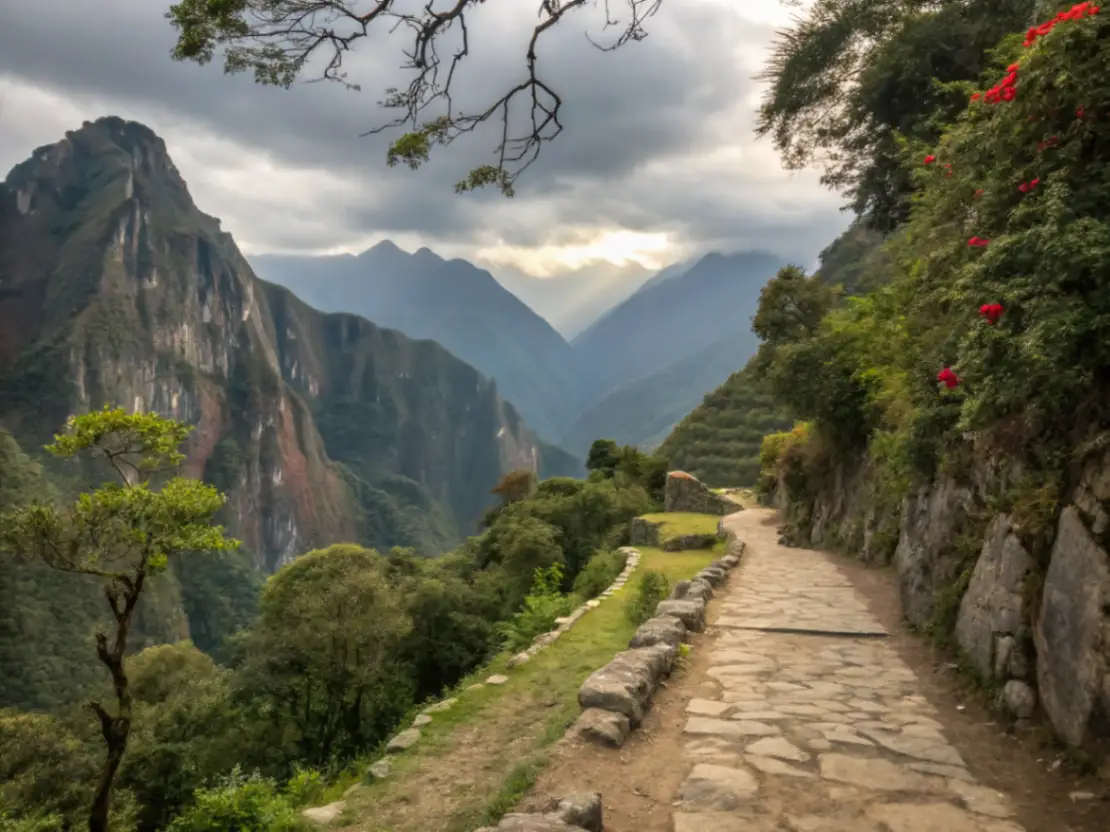
Peru is often reduced to a single image: the stone terraces of Machu Picchu rising above the clouds. It is impressive, but it also hides a much larger world of remote valleys, high passes, and ancient trails that see only a fraction of the visitors. Beyond the well-trodden routes lies a different kind of journey—one that demands more effort, rewards deeper immersion, and offers a quieter connection to the Andes.
Those who step away from the famous circuits quickly realize that Peru is a country of layered landscapes. Snow peaks shift into jungle, dry canyons cut through vast plateaus, and forgotten paths connect communities that still move at a rhythm untouched by mass tourism. These routes are not always marked clearly, and they rarely come with the comforts found near popular destinations. That is precisely what makes them compelling.
Why Peru’s lesser-known treks matter
Choosing a lesser-known route is not just about avoiding crowds. It changes the entire experience of traveling in the Andes. On famous trails, the rhythm is set by permits, schedules, and checkpoints. On remote paths, the pace becomes personal. Days are shaped by weather, terrain, and the natural flow of the land rather than fixed itineraries.
There is also a cultural dimension that feels more authentic. Smaller communities along these routes are less accustomed to tourism. Encounters tend to be quieter, more natural, and often more meaningful. Conversations happen without expectation, and traditions are not adapted for an audience.
The landscapes themselves feel more expansive. Without the constant presence of other trekkers, it becomes easier to notice small details: the sound of wind across high grasslands, the sudden appearance of condors, or the way light shifts across glacier faces at sunrise.
These routes also demand more from those who attempt them. Navigation can be less straightforward, infrastructure is minimal, and altitude plays a constant role. Preparation becomes part of the experience rather than a checklist before departure.
Huayhuash circuit: high altitude wilderness
The Huayhuash Circuit is often described as one of the most beautiful trekking routes in the world, yet it remains far less visited than the trails near Cusco. Located south of the Cordillera Blanca, it forms a loop through a compact but dramatic mountain range where peaks rise sharply above glacial lakes.
This is not a gentle introduction to trekking in Peru. The route involves multiple passes above 4,500 meters, and the altitude is felt almost immediately. Days are long, and the terrain shifts between rocky ascents, narrow valleys, and open highlands where weather can change rapidly.
What sets Huayhuash apart is the intensity of its scenery. The mountains feel close, almost overwhelming, and the sense of isolation is constant. Campsites are often set beside turquoise lakes, with snow-covered summits reflecting in still water.
Wildlife encounters add another layer to the experience. Vicuñas move across the plains, and condors are often seen gliding along the ridgelines. At night, the sky opens into a field of stars rarely visible in more accessible regions.
The challenge of the circuit requires careful acclimatization and a realistic understanding of physical limits. For those prepared to meet its demands, it offers a level of immersion that few other routes can match.
Choquequirao trek: the forgotten sister city
Hidden deep in the Apurímac Valley, Choquequirao is often called the sister city of Machu Picchu. The comparison is understandable, but the experience is entirely different. Reaching the site requires a demanding trek that includes steep descents into the canyon followed by long climbs back up to the ruins.
The journey itself becomes the main focus. Trails wind through dry valleys before rising into cloud forests where vegetation becomes dense and the air grows humid. The contrast between landscapes is striking, and each day feels distinct.
Choquequirao remains only partially excavated, which adds to its sense of mystery. Terraces stretch across the mountainside, and sections of the site are still being uncovered. There is space to explore without crowds, and moments of quiet are easy to find.
The effort required to reach the ruins shapes the way they are experienced. Arriving after days of hiking creates a connection that feels earned. It is less about ticking off a destination and more about understanding the scale of the landscape that surrounds it.
Ausangate circuit: sacred mountains and raw nature
The Ausangate Circuit circles one of the most revered mountains in the Peruvian Andes. For local communities, Ausangate is not just a peak but a sacred presence, and the route around it carries a sense of spiritual significance.
This trek moves through some of the most varied terrain in the region. Glaciers loom above high passes, while valleys below are dotted with herds of alpacas and small villages where traditional ways of life remain strong. The colors of the landscape shift constantly, especially near the Rainbow Mountain area, where mineral deposits create vivid patterns across the hills.
Altitude is again a defining factor. The circuit reaches elevations above 5,000 meters, making acclimatization essential. Weather conditions can change quickly, and nights are often cold even in dry seasons.
What makes Ausangate unique is the blend of natural and cultural elements. Trekkers often encounter herders moving with their animals, and the presence of local traditions adds depth to the journey. Hot springs along the route provide rare moments of comfort in an otherwise demanding environment.
The sense of scale is immense. Days can pass without seeing another group, and the silence of the high Andes becomes part of the experience.
Vilcabamba traverse: deep into history and jungle
The Vilcabamba region represents one of the last refuges of the Inca civilization during the Spanish conquest. Today, it remains one of the least explored trekking areas in Peru, where mountains gradually give way to dense jungle.
Routes through this region are less defined, and navigation often requires local knowledge. Trails connect remote ruins, river crossings, and forest paths where vegetation can quickly reclaim unused routes.
The journey is physically demanding but also intellectually engaging. Ruins appear unexpectedly, often without signage or restoration. They are part of the landscape rather than isolated attractions, and their context becomes clearer as the route unfolds.
Humidity increases as the trek moves toward lower elevations, creating a different set of challenges compared to high-altitude circuits. Insects, heat, and dense vegetation require preparation and adaptability.
Despite these difficulties, the reward is a sense of discovery. The region feels largely untouched, and each section of the trail offers something new. It is a trek for those who value exploration as much as scenery.
Practical considerations for remote trekking
Preparation plays a central role in these routes. Unlike popular trails, support services are limited, and conditions can vary widely depending on the season. Understanding the key differences between major routes helps in choosing the right challenge.
Before comparing them in detail, it is useful to look at how these treks differ in terms of difficulty, altitude, and overall experience.
| Trek | Duration | Max altitude | Difficulty | Landscape type |
|---|---|---|---|---|
| Huayhuash Circuit | 8–12 days | 5,000+ m | Very high | Alpine, glacial |
| Choquequirao Trek | 4–8 days | 3,100 m | High | Canyon, cloud forest |
| Ausangate Circuit | 5–7 days | 5,200 m | Very high | Alpine, cultural |
| Vilcabamba Traverse | 6–10 days | 4,500 m | High to very high | Mixed, jungle |
This comparison highlights how varied Peru’s trekking options are. Some routes demand endurance at extreme altitude, while others combine steep terrain with environmental challenges like humidity and heat. Choosing the right path depends not only on fitness but also on the type of landscape and experience that feels most appealing.
Once a route is selected, attention shifts to preparation. Several key factors should be considered carefully before setting out:
- Acclimatization is essential, especially for routes above 4,000 meters. Spending time at altitude before starting reduces risks and improves overall experience.
- Weather conditions vary by region and season, so timing the trek correctly can make a significant difference.
- Navigation tools or experienced guides are often necessary, as trail markings can be inconsistent.
- Physical preparation should match the demands of the chosen route, including long days and steep elevation changes.
- Respect for local communities and environments ensures that these routes remain accessible and preserved.
These considerations are not obstacles but part of what defines remote trekking in Peru. They shape the journey and influence how each moment is experienced along the way.
Conclusion
Moving beyond Machu Picchu opens a different perspective on Peru. The country reveals itself not through a single iconic site but through a network of landscapes that challenge, surprise, and reward those willing to explore further.
Each of these routes offers something distinct. Huayhuash delivers raw alpine beauty at high altitude, Choquequirao combines physical effort with historical intrigue, Ausangate blends cultural depth with dramatic scenery, and Vilcabamba invites true exploration into lesser-known territory.
The common thread is not just difficulty but immersion. These treks require more preparation and resilience, yet they offer a sense of connection that is difficult to find on more accessible paths. The experience becomes less about reaching a destination and more about understanding the terrain, the people, and the rhythm of the Andes.
For travelers seeking something beyond the familiar, these routes provide an opportunity to see Peru in a deeper, more meaningful way.